

Inflatable Pool Cover Tent vs Traditional Pool Cover
From All-Season Protection to Cost Savings, Discover the Perfect Fit for Your Pool.
Inflatable Pool Cover Tent vs Traditional Pool Covers: Which Is Right For You?
Keeping your swimming pool clean and protected is essential, but choosing the right cover can significantly affect maintenance costs, pool usability, and safety. While traditional pool covers have been popular for decades, inflatable pool cover tents are becoming an increasingly attractive option for homeowners, resorts, and commercial facilities.
So which solution is better for your backyard?
This guide compares inflatable pool cover tents and traditional pool covers across every important factor, helping you make the right investment.
What Is an Inflatable Pool Cover Tent?


An inflatable pool cover tent is an airtight structure made from commercial-grade PVC tarpaulin. Unlike flat pool covers, it creates a large enclosed space over the pool using air pressure.
The enclosure acts like a temporary building, protecting the pool from:
- Rain
- Snow
- Leaves
- Dust
- UV exposure
- Wind
Many models are large enough for people to walk inside, allowing the pool to remain usable during colder seasons.
Typical Features
- Commercial-grade 0.6mm or 0.9mm PVC tarpaulin
- Airtight structure with continuous shape retention
- Transparent windows for natural light
- Roll-up entrance doors
- Optional ventilation systems
- Custom sizes for different pool dimensions
What Is a Traditional Pool Cover?

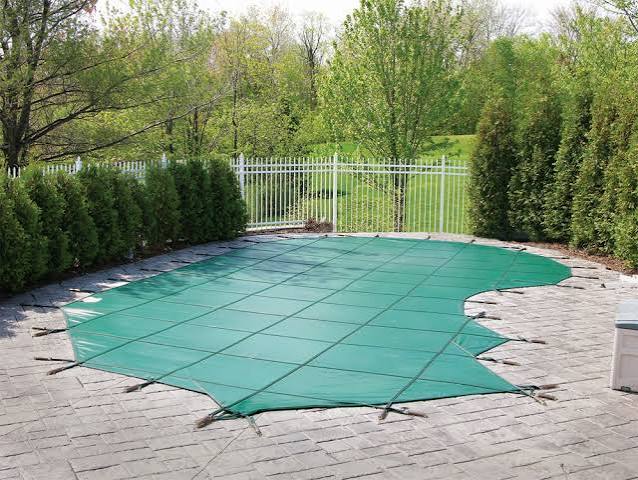
Traditional pool covers are flexible materials stretched across the pool surface.
Common types include:
- Solar covers
- Winter covers
- Safety covers
- Automatic retractable covers
- Mesh covers
- Solid vinyl covers
Most are designed primarily to:
- Keep debris out
- Reduce evaporation
- Improve safety
- Minimize maintenance
However, they generally prevent swimming while installed.
Inflatable Pool Cover Tent vs Traditional Pool Cover
| Feature | Inflatable Pool Cover Tent | Traditional Pool Cover |
|---|---|---|
| Pool usable while covered | ✔ Yes | ✖ Usually No |
| Rain protection | Excellent | Good |
| Snow load | Excellent | Moderate |
| Wind resistance | Excellent | Depends on installation |
| UV protection | Excellent | Good |
| Creates indoor environment | ✔ Yes | ✖ No |
| Easy seasonal removal | Yes | Yes |
| Installation time | 2–4 hours | 30 minutes–2 hours |
| Heating efficiency | Very High | Moderate |
| Custom sizes | Yes | Yes |
1. Weather Protection
One of the biggest differences is the level of weather protection.
Inflatable Pool Cover Tent
Because it encloses the entire pool area, it blocks:
- Heavy rain
- Snow accumulation
- Falling branches
- Leaves
- Dust
- Strong wind
It also reduces water contamination dramatically.
Benefits
- Less cleaning
- Lower chemical usage
- Cleaner water
- Reduced filtration time
Traditional Pool Cover
A standard cover only protects the water surface.
Problems include:
- Rainwater collects on top
- Snow adds weight
- Leaves must be removed manually
- Wind may loosen the cover
While effective for debris, it doesn’t protect the surrounding pool deck.
2. Can You Swim While the Pool Is Covered?
This is where inflatable pool cover tents truly stand out.
Inflatable Pool Cover Tent
The enclosure creates a sheltered environment where you can continue using the pool during:
- Cold weather
- Light rain
- Windy days
- Cooler evenings
Many homeowners extend their swimming season by several months.
Traditional Pool Cover
Most covers must be removed before swimming.
This means:
- Extra labor every time
- Storage space required
- Longer preparation before use
3. Heating Efficiency
Heating a swimming pool is expensive.
Reducing heat loss can significantly lower energy bills.
Inflatable Pool Cover Tent
The enclosed air space acts like insulation.
Benefits include:
- Less heat escaping
- Reduced evaporation
- Lower heater runtime
- Improved energy efficiency
Many pool owners notice more stable water temperatures throughout the day and night.
Traditional Pool Cover
Solar covers reduce evaporation and retain heat effectively.
However, once removed for swimming, heat loss increases rapidly.
4. Safety Comparison
Safety is an important consideration for families with children and pets.
Inflatable Pool Cover Tent
The enclosure creates an additional physical barrier.
Optional features include:
- Lockable doors
- Zipper entrances
- Reinforced anchoring
- Heavy-duty support systems
However, it should not replace proper supervision.
Traditional Safety Covers
High-quality safety covers are specifically engineered to prevent accidental falls into the pool.
Properly installed safety covers can support substantial weight, making them one of the safest options when the pool is closed.
5. Installation
Inflatable Pool Cover Tent
Installation generally involves:
- Positioning the folded tent
- Inflating the structure
- Anchoring securely
- Checking air pressure
Most residential models can be installed within several hours.
Traditional Pool Cover
Installation varies.
Simple winter covers may take less than an hour, while safety covers require anchors installed around the pool perimeter.
Automatic covers involve permanent track systems and professional installation.
6. Durability
Inflatable Pool Cover Tent
Commercial-quality tents are built using:
- 0.6mm PVC tarpaulin
- 0.9mm PVC tarpaulin
- Heat-welded seams
- Reinforced anchor points
- UV-resistant coatings
With proper care, they can provide many years of reliable service.
Traditional Covers
Durability depends on material quality.
Average lifespan:
- Solar cover: 3–5 years
- Winter cover: 5–8 years
- Safety cover: 7–12 years
- Automatic cover fabric: 5–8 years
7. Maintenance
Inflatable Pool Cover Tent
Maintenance is relatively simple.
Recommended tasks include:
- Cleaning the PVC surface
- Checking inflation pressure
- Inspecting anchor straps
- Keeping ventilation openings clear
Traditional Pool Cover
Maintenance often involves:
- Removing standing water
- Clearing leaves
- Preventing mold
- Inspecting straps and springs
8. Year-Round Pool Use
For many homeowners, extending the swimming season is the main reason to choose an inflatable enclosure.
Benefits include:
- Swimming in cooler weather
- Reduced exposure to wind
- Better comfort
- Lower heating costs
- Enhanced outdoor enjoyment
Traditional covers are primarily designed for protection during periods when the pool is not in use.
Which Pool Cover Is More Cost-Effective?
| Consideration | Inflatable Pool Cover Tent | Traditional Cover |
|---|---|---|
| Initial investment | Higher | Lower |
| Maintenance savings | High | Moderate |
| Energy savings | Excellent | Good |
| Pool usability | Year-round potential | Seasonal |
| Long-term value | Excellent | Good |
Although an inflatable pool cover tent requires a larger upfront investment, many owners find the additional functionality, energy savings, and extended swimming season justify the cost over time.
Which One Should You Choose?
Choose an Inflatable Pool Cover Tent if you:
- Want to swim in multiple seasons
- Need superior weather protection
- Want to reduce pool heating costs
- Prefer an enclosed recreational space
- Own a large residential or commercial pool
Choose a Traditional Pool Cover if you:
- Need a simple debris cover
- Have a limited budget
- Primarily close the pool during winter
- Only need basic evaporation reduction
Why Choose a Commercial-Grade Inflatable Pool Cover Tent?
At Hushine Inflatables, we manufacture custom inflatable pool cover tents designed for residential, resort, and commercial applications.
Features
- Commercial-grade 0.6mm or 0.9mm PVC tarpaulin
- Airtight, durable construction
- Heat-welded seams for superior air retention
- UV-resistant and waterproof materials
- Custom sizes and colors available
- Transparent windows and roll-up doors
- Optional ventilation, lighting, and branding
- Factory-direct pricing with worldwide shipping
Whether you need a compact backyard enclosure or a large commercial pool dome, we can customize the solution to fit your project.
Frequently Asked Questions
Can an inflatable pool cover tent stay up all winter?
Yes. Commercial-grade inflatable pool cover tents are designed to withstand rain, snow, UV exposure, and varying weather conditions when properly installed and maintained.
Does an inflatable pool cover tent reduce heating costs?
Yes. The enclosed air space significantly reduces heat loss and evaporation, helping maintain warmer water temperatures and lowering energy consumption.
How long does installation take?
Most residential inflatable pool cover tents can be installed within 2–4 hours, depending on size and site conditions.
Is an inflatable pool cover tent waterproof?
Yes. High-quality models are manufactured from waterproof PVC tarpaulin with heat-welded seams to provide reliable protection against rain and moisture.
Can the tent be customized?
Absolutely. Manufacturers can customize dimensions, colors, entrances, windows, ventilation systems, and branding to suit your specific pool and application.
Final Thoughts
Both inflatable pool cover tents and traditional pool covers serve valuable purposes, but they are designed for different needs. If your priority is simple debris protection and a lower upfront cost, a traditional cover is a practical solution. However, if you want to extend your swimming season, improve weather protection, reduce energy consumption, and create a comfortable enclosed pool environment, an inflatable pool cover tent offers far greater versatility and long-term value.
For homeowners, resorts, hotels, and commercial pool operators seeking a premium solution, a custom inflatable pool cover tent can transform an outdoor pool into a usable, protected space throughout much more of the year.