How to Repair Inflatable Water Park: A Complete Step-by-Step Guide
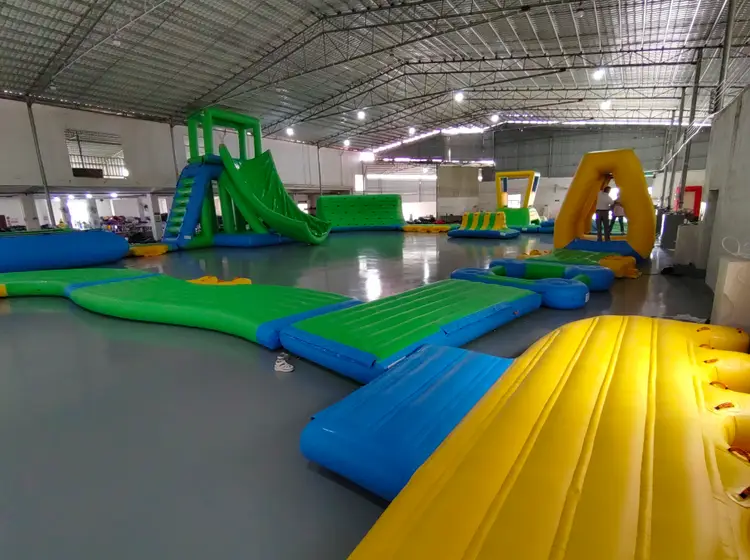
Inflatable water parks are built for fun and durability, but frequent use, weather exposure, and improper handling can lead to wear and tear. Knowing how to repair an inflatable water park properly not only extends its lifespan but also ensures safety and performance. This guide walks you through practical, proven repair methods used by professionals.
Common Causes of Damage
Before starting any repair, identify the root cause. The most common issues include:
- Punctures or small holes from sharp objects
- Seam leaks due to pressure stress or aging
- Tears in PVC material from improper storage or dragging
- Valve leakage or loose air valves
- Mold or mildew damage caused by moisture buildup
Understanding the type of damage helps you choose the correct repair method.
Essential Repair Tools & Materials
Prepare these tools before starting:
- PVC repair patch (same material as the inflatable)
- PVC glue or adhesive (commercial-grade recommended)
- Scissors or utility knife
- Cleaning cloth
- Alcohol wipes (for surface cleaning)
- Roller or flat object (to press patches)
- Air pump for testing
Step-by-Step Repair Process
1. Locate the Leak
Inflate the water park and listen for escaping air. For smaller leaks:
- Apply soapy water to the surface
- Look for bubbles forming
Mark the damaged area clearly.
2. Clean and Dry the Area
Thoroughly clean the damaged section using alcohol wipes.
Make sure the surface is:
- Dry
- Free from dirt, oil, or moisture
This ensures proper adhesion.
3. Prepare the Patch
Cut a patch that:
- Extends at least 2–3 cm beyond the damaged area
- Has rounded corners (to prevent peeling)
4. Apply Adhesive
- Apply PVC glue evenly to both the patch and the damaged area
- Let it sit for 2–5 minutes until it becomes tacky
5. Attach the Patch
- Firmly press the patch onto the damaged area
- Use a roller or flat tool to remove air bubbles
- Apply consistent pressure for a strong bond
6. Drying & Curing
- Allow the repair to cure for at least 12–24 hours
- Avoid inflating during this time
7. Test the Repair
After curing:
- Inflate the structure
- Check for air leaks again
If no bubbles appear, the repair is successful.
How to Repair Larger Tears or Seam Damage
For bigger issues:
Reinforced Patch Method
- Use a thicker PVC patch
- Apply adhesive in multiple layers
- Consider patching both inside and outside if accessible
Heat Welding (Advanced)
For commercial inflatable water parks, heat welding is more durable than glue:
- Requires specialized equipment
- Recommended for factories or professionals
Valve Repair Tips
If the air valve is leaking:
- Tighten the valve using a valve wrench
- Replace damaged valve inserts
- Apply sealant if necessary
Preventive Maintenance Tips
To reduce future repairs:
- Always install on soft, debris-free ground
- Use a protective ground sheet
- Avoid overinflation
- Dry completely before storage
- Store in a cool, dry place
- Conduct regular inspections
When to Seek Professional Repair
Consider professional repair if:
- The tear is larger than 10–15 cm
- Structural seams are damaged
- Multiple leaks appear
- The inflatable is used commercially
Professional repair ensures safety compliance and durability.
Conclusion
Repairing an inflatable water park is straightforward when done correctly. With the right materials and techniques, most damages—whether small punctures or larger tears—can be fixed efficiently. Regular maintenance and prompt repairs will significantly extend the life of your inflatable and keep it safe for users.
FAQ
Q1: Can I use regular glue for repairs?
No, always use PVC-specific adhesive for strong and durable bonding.
Q2: How long does a repair last?
A proper repair can last several years if maintained well.
Q3: Can I repair without deflating?
No, always deflate the inflatable before repairing for best results.
Q4: Is repair tape enough?
Temporary only. For long-term use, use PVC patches with adhesive.