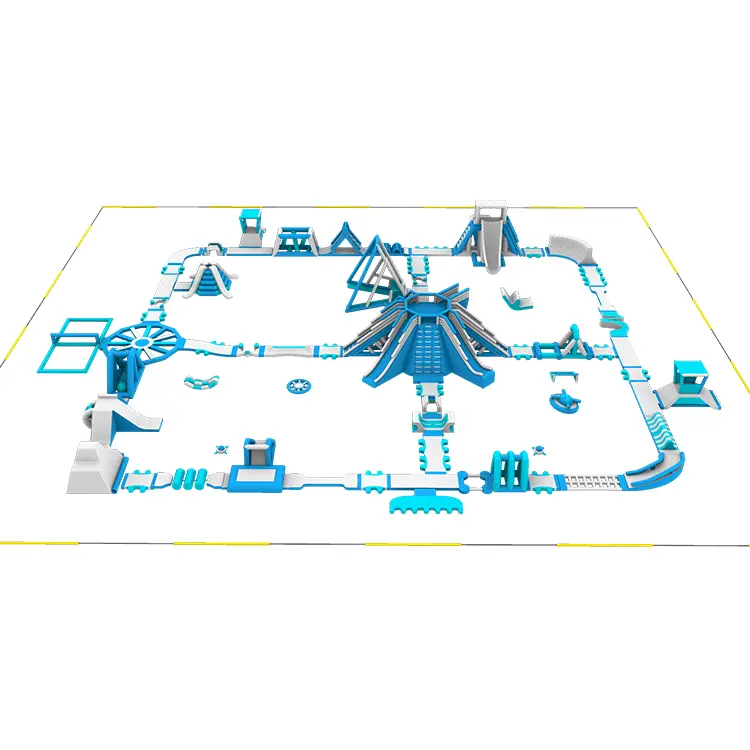
How to Clean Floating Equipment Properly

Floating equipment plays a critical role in water parks, marinas, resorts, lakes, and aquatic recreation centers. Whether you operate inflatable water parks, floating docks, swim platforms, buoys, or other floating structures, regular cleaning is essential for maintaining safety, appearance, and durability.
Proper maintenance not only keeps equipment looking professional but also helps prevent mold, algae growth, UV damage, and material deterioration.
In this guide, we’ll explain the best practices for cleaning floating equipment and extending its service life.
Why Regular Cleaning Is Important
Floating equipment is constantly exposed to:
- Sunlight and UV radiation
- Dirt and airborne pollutants
- Algae and aquatic microorganisms
- Bird droppings
- Saltwater residue
- Fuel and oil contamination
- Mold and mildew
Without regular cleaning, these contaminants can:
- Cause discoloration
- Reduce material lifespan
- Create slippery surfaces
- Increase maintenance costs
- Affect customer experience
Routine cleaning helps preserve the structural integrity and appearance of your floating equipment.
Types of Floating Equipment That Require Cleaning
Common floating products include:
Inflatable Water Parks
- Inflatable slides
- Climbing towers
- Obstacle courses
- Trampolines
- Floating playgrounds
Floating Dock Systems
- Modular floating docks
- Marina platforms
- Jet ski docks
- Swim docks
Floating Safety Equipment
- Buoys
- Floating barriers
- Safety markers
Inflatable Event Structures
- Floating stages
- Inflatable platforms
- Promotional floating displays
Recommended Cleaning Supplies
Before starting, prepare the following materials:
| Cleaning Item | Purpose |
|---|---|
| Soft brush or sponge | Remove dirt without damaging surfaces |
| Mild soap or marine cleaner | General cleaning |
| Fresh water hose | Rinsing |
| Microfiber cloth | Drying and polishing |
| Soft mop | Large surface cleaning |
| Protective gloves | Personal safety |
| Mold remover (non-abrasive) | Removing mildew and mold |
Avoid using:
- Strong solvents
- Bleach-based cleaners
- Abrasive brushes
- High-pressure washers directly on seams
- Petroleum-based chemicals
These products may damage PVC, DWF, TPU, or other floating equipment materials.
Step-by-Step Guide to Cleaning Floating Equipment
Step 1: Remove Loose Debris
Start by removing:
- Leaves
- Sand
- Mud
- Bird droppings
- Trash
Use a soft broom or brush to avoid scratching the surface.
Step 2: Rinse with Fresh Water
Thoroughly rinse the equipment using fresh water.
This step helps remove:
- Surface dirt
- Salt deposits
- Loose algae
- Dust particles
For saltwater installations, freshwater rinsing is especially important to prevent salt buildup.
Step 3: Apply Mild Cleaning Solution
Mix mild soap with warm water.
Using a sponge or soft brush:
- Apply the cleaning solution evenly.
- Gently scrub dirty areas.
- Pay special attention to:
- Seams
- Handles
- Connection points
- Walking surfaces
Avoid aggressive scrubbing that may damage protective coatings.
Step 4: Treat Mold and Algae
If mold or algae are present:
- Use a marine-safe mold cleaner.
- Apply according to manufacturer instructions.
- Allow the cleaner to sit briefly.
- Gently scrub affected areas.
Regular cleaning prevents biological growth from becoming difficult to remove.
Step 5: Rinse Thoroughly
After cleaning:
- Remove all soap residue.
- Rinse every surface completely.
- Check corners and attachment points where cleaner may collect.
Soap residue can attract dirt and create slippery surfaces if left behind.
Step 6: Dry Completely
Allow the equipment to dry naturally.
For inflatable products:
- Dry before deflation and storage.
- Ensure all moisture is removed from seams and folds.
Storing wet equipment can lead to mold, mildew, and unpleasant odors.
Cleaning Tips for Inflatable Floating Equipment
Inflatable floating products require additional care because of their airtight construction.
Inspect During Cleaning
Look for:
- Air leaks
- Scratches
- Seam separation
- Valve issues
- Surface wear
Early detection helps reduce repair costs.
Protect Welded Seams
Avoid:
- High-pressure water directly on seams
- Sharp cleaning tools
- Harsh chemicals
Seams are among the most important structural components of inflatable equipment.
Use UV Protectant
After cleaning and drying:
- Apply a UV-protective treatment approved for PVC materials.
- Reduce fading and material aging.
- Extend product lifespan.
Saltwater vs. Freshwater Maintenance
Saltwater Environments
Salt accelerates material aging.
Recommended:
- Rinse with fresh water after every use.
- Perform weekly deep cleaning.
- Inspect metal hardware regularly.
Freshwater Environments
Freshwater systems generally experience:
- Less corrosion
- More algae growth
Focus on controlling biological buildup through regular cleaning.
Suggested Cleaning Schedule
| Frequency | Maintenance Task |
|---|---|
| Daily | Remove debris and inspect surfaces |
| Weekly | Wash with mild soap and water |
| Monthly | Deep cleaning and inspection |
| Quarterly | Check valves, seams, and hardware |
| Annually | Professional inspection and repairs |
Common Cleaning Mistakes to Avoid
Using Harsh Chemicals
Strong chemicals may weaken PVC coatings and adhesives.
Storing Equipment While Wet
Moisture encourages mold and mildew growth.
Ignoring Small Damage
Minor tears can quickly become major repairs.
Overusing Pressure Washers
Excessive pressure may damage seams and material surfaces.
How Proper Cleaning Extends Equipment Lifespan
Well-maintained floating equipment can:
- Last significantly longer
- Maintain attractive appearance
- Improve user safety
- Reduce repair costs
- Protect your investment
For commercial operators, regular cleaning is one of the most cost-effective maintenance practices available.
Conclusion
Cleaning floating equipment is a simple but essential part of water recreation facility management. Whether you operate inflatable water parks, floating docks, swim platforms, or marine barriers, regular cleaning helps ensure safety, durability, and long-term performance.
By following a consistent cleaning schedule, using appropriate cleaning products, and inspecting equipment during maintenance, you can maximize the lifespan of your floating equipment and keep it looking its best season after season.
FAQ
How often should floating equipment be cleaned?
Commercial floating equipment should be inspected daily and cleaned weekly. High-traffic water parks may require more frequent maintenance.
Can I use a pressure washer on inflatable floating equipment?
Low-pressure rinsing is acceptable, but high-pressure washing directly on seams, valves, or welded joints is not recommended.
What cleaner is safe for PVC inflatable products?
Use mild soap, water, or marine-grade PVC cleaners specifically designed for inflatable equipment.
How do I remove algae from floating equipment?
Use a non-abrasive marine-safe cleaner, gently scrub the affected area, and rinse thoroughly with fresh water.
Should inflatable water parks be dried before storage?
Yes. Inflatable products should always be completely dry before deflation and storage to prevent mold, mildew, and material damage.